CATEGORY DESCRIPTIONS
 |
Frontside |
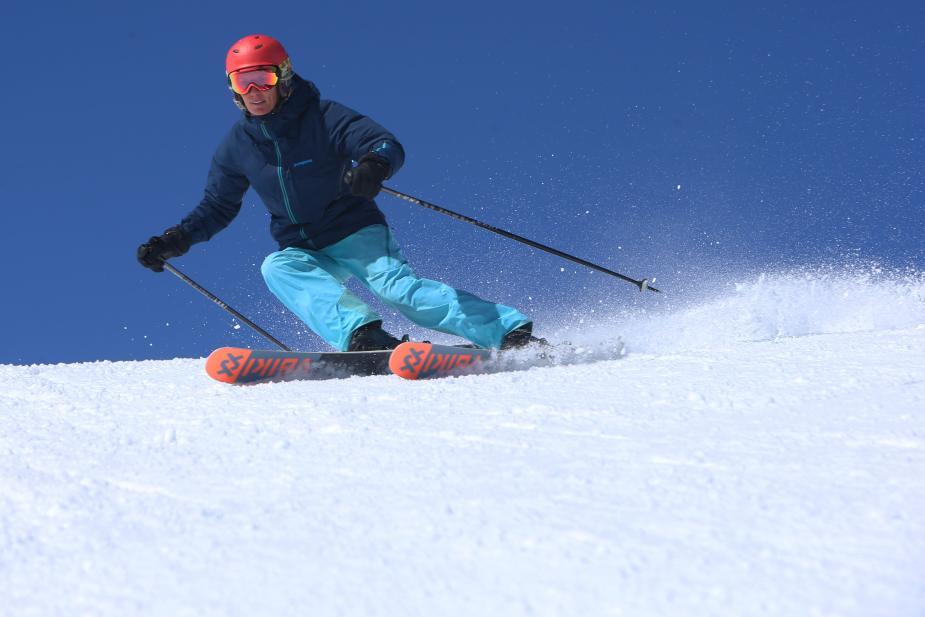
The Frontside category boot is well-named. It’s not quite a Race boot but almost. It’s not an All-Mountain boot but you certainly could take it anywhere on the hill. This unique animal is most at home on firm, smooth surfaces where it gets to drive an appropriately designed ski (i.e. narrow, shaped and sharp) at high-performance speeds. What is it that makes the Frontside boot so perfect for groomers and polished boilerplate? It is built to send, but we don’t mean send it, like in the park or off a cliff—we mean send as in transmit or communicate the kinetic message from the skier directly to the ski. |
 |
All-Mountain Traditional |
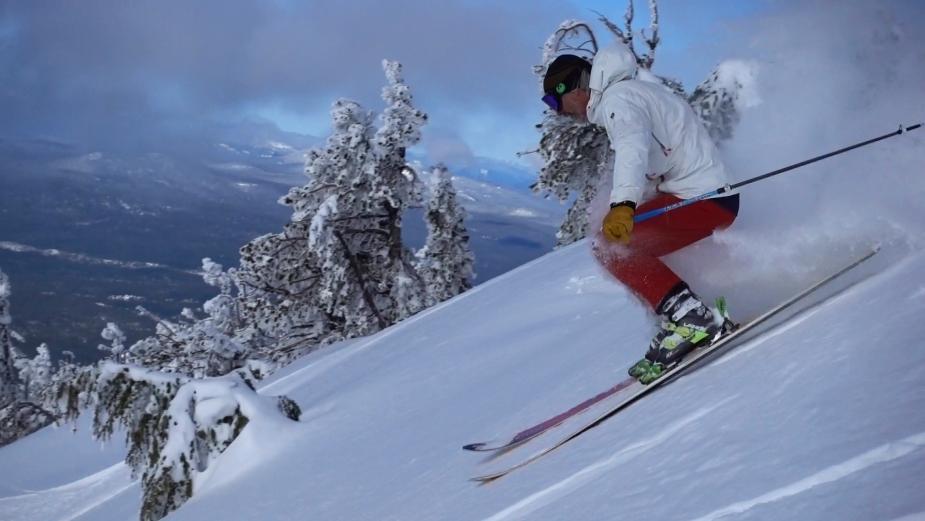
All-Mountain Traditional is the somewhat overwrought name for what we might just call a ski boot. The modifier traditional has been added because of the variety of other boot types that have come along that populate (or complicate, depending on your perspective) our world of choices in how we house our feet and clamp them to ski boots. Traditional doesn’t mean boring or conservative, it just means these boots don’t have walk modes, essentially. These are boots made to ride the chairlift and then go ski anywhere on the hill. The All-Mountain Traditional category is the biggest one, both in our test and in the global ski boot market. |
 |
All-Mountain Access |
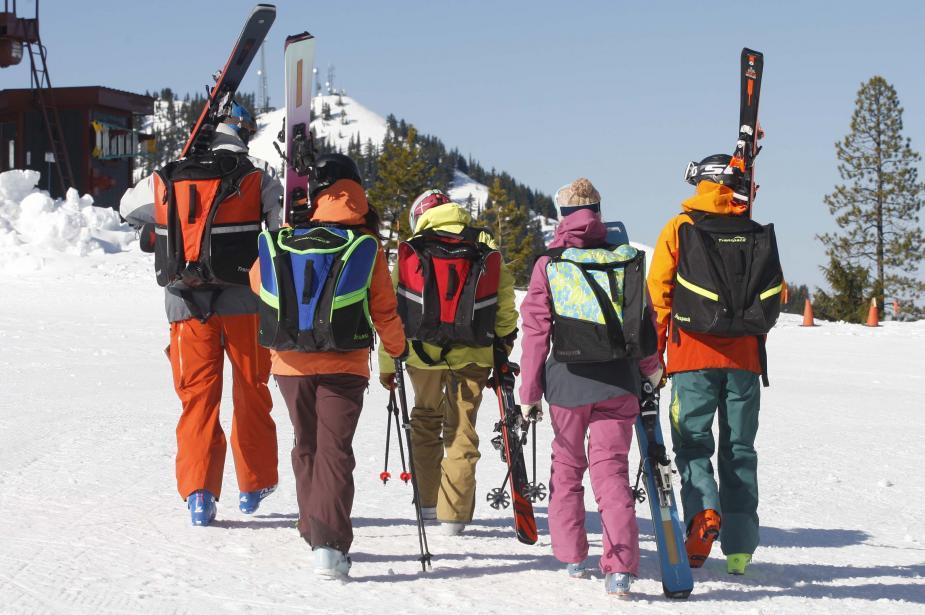
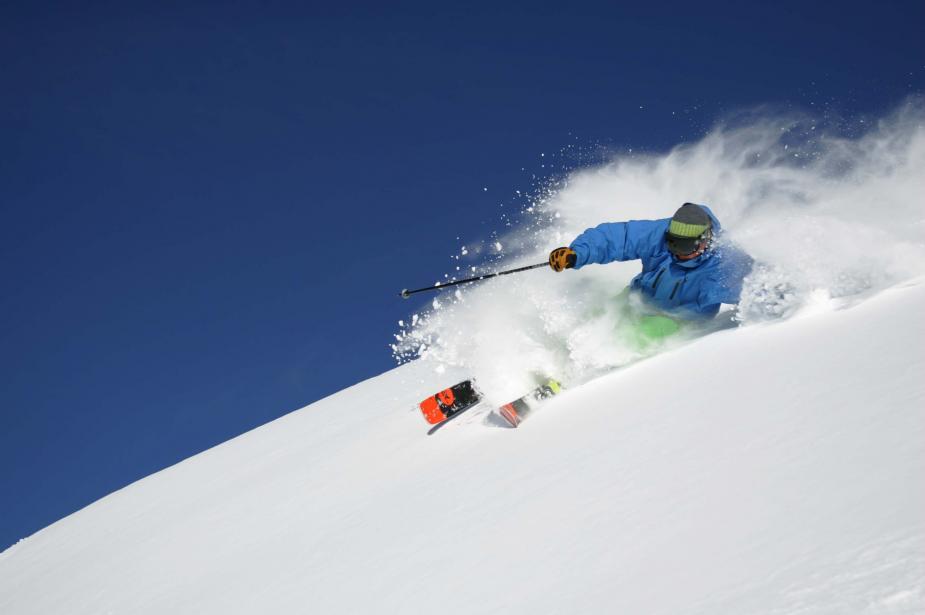
For many skiers the boot itself still represents one of the biggest barriers to fully enjoying our snow-sliding sport. It used to be a matter of comfort that stood in the way of some folks’ love of skiing, but boot designs have made huge comfort gains through better mold shapes and more sophisticated liners. Same goes for complaints of cold boots—insulative laminates, wicking liner materials, improved sock technology and electric heater options have largely addressed these chilly concerns. And worries about walking across a massive parking lot? Well, with releasable-cuff walk modes and rockered GripWalk soles ski boots have never been easier to walk in. |
 |
All-Mountain Freeride |
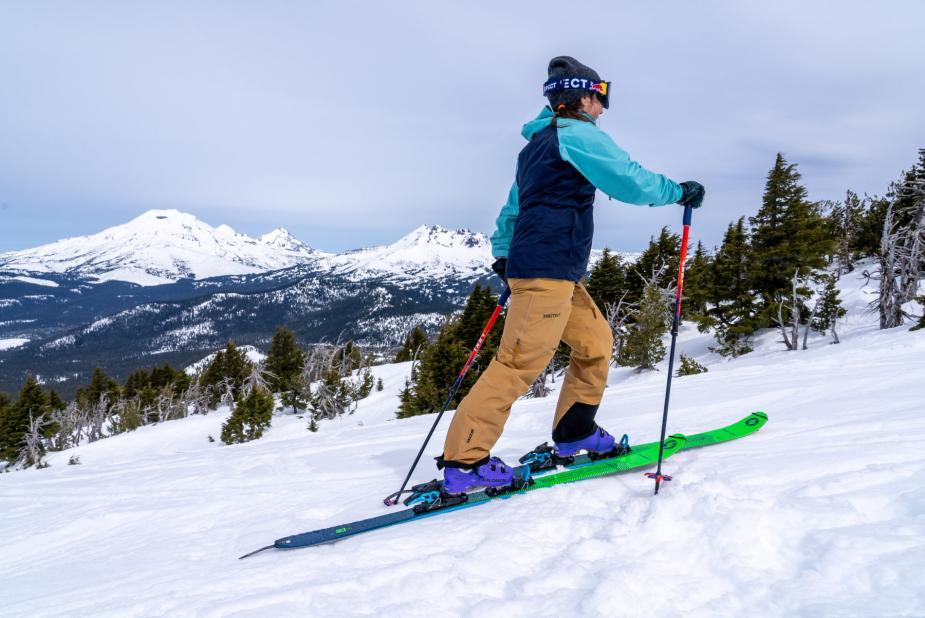
It used to be that the hike, or walk, mode (which is one of the defining features of the All-Mountain Freeride category) pigeon-holed a boot into a less-powerful-skiing sub-class. That isn't the case anymore with the best boots in this large group as current light weight but stiff plastics and solid metal-to-metal cuff connections create serious descenders, and all are tech-compatible. Skiers of all shapes and sizes can now find a boot that will suit their foot width as well as their uphill and downhill performance needs—narrows, mediums and wides in a broad range of stiffnesses are available in this category. |
 |
Backcountry |
While the Backcountry category is all about going uphill—they're the lightest of our test with the best touring range of motion and rockered, lugged soles—modern Backcountry boots ski well enough to handle themselves in-bounds if that's where the day takes them occasionally. Shell and cuff construction in this category is commonly comprised of polyamide plastics, like Grilamid and Pebax, so in combination with lightweight, fully thermo-moldable EVA foam liners (or the like) Backcountry boots are very light on the foot. |