CATEGORY DESCRIPTIONS
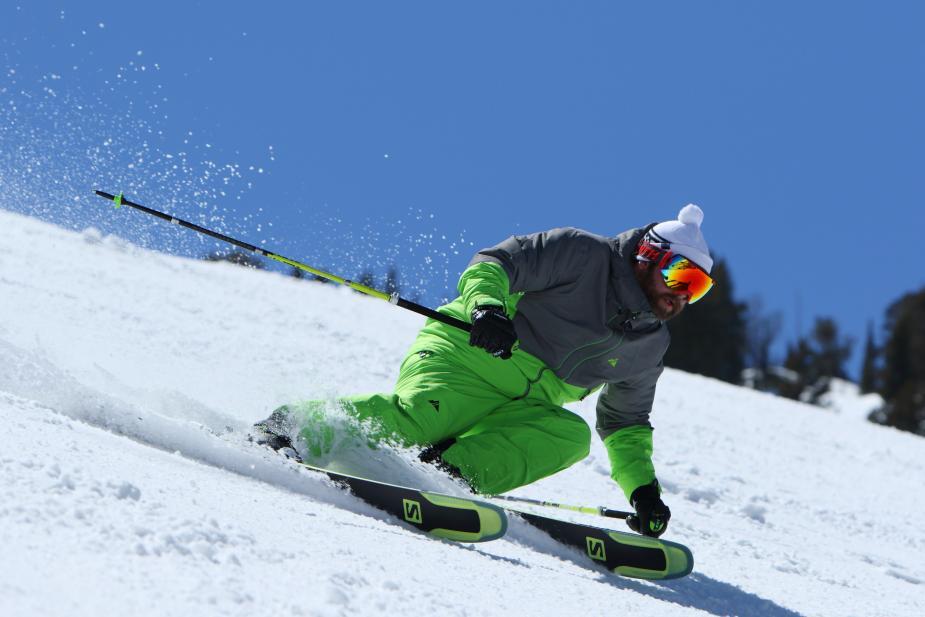 |
Frontside |
For technically skilled, aggressive skiers who aren't willing to compromise when it comes to ski edge driving power on hard snow and at high speeds, Frontside category boots will deliver the goods. These boots aren't World Cup "plug" style race boots, but they're only one step away—all narrow lasts at this year's test and all stiff flexes. Here you don't have to lace-up your liner before you put on the shell, and these narrows won't require the kind of shell modifications that plug boots do, but they put skis on rail and trench at a level that will suit all but the burliest of gate bashers. |
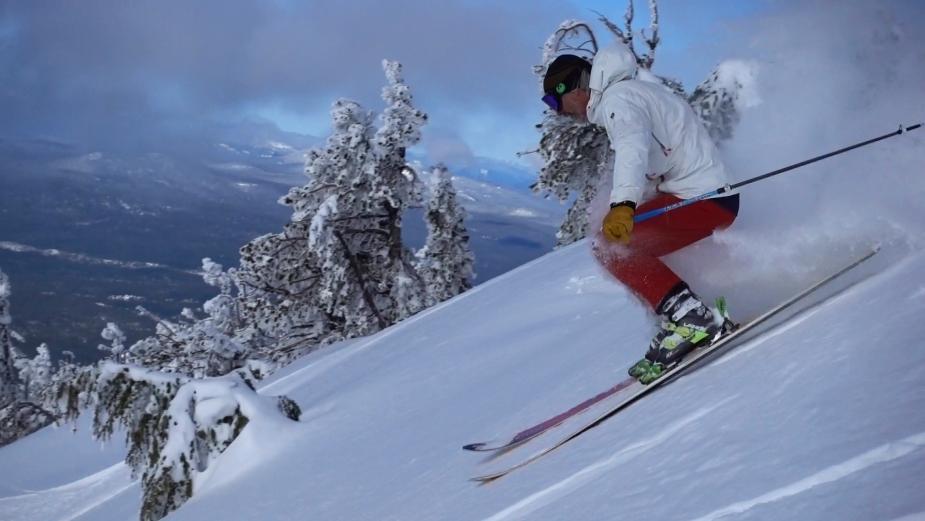 |
All-Mountain Traditional |
This broadest boot category offers skiers the widest array of fit and on-area performance options. All-Mountain Traditional boots are available in narrow, medium and wide lasts (see our discussion of last width) and in a huge spectrum of stiffnesses to suit skiers of any size or ability (see our discussion of flex index). The All-Mountain Traditional boot as we defined it for our boot test does not have a releasable cuff for hiking—it's designed to perform everywhere on the hill but it typically won't stray far from the chairlift. |
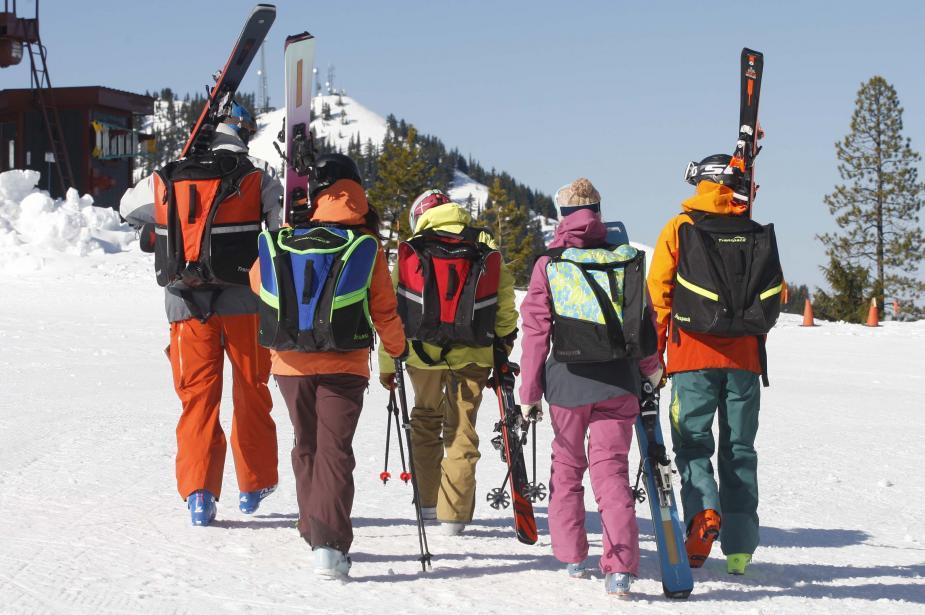 |
All-Mountain Walk |
Take a go-everywhere, do-anything All-Mountain boot and give it a cuff release for more convenient walking and standing around in lines and you get the perfect match for comfort-conscious skiers who may do more packing of kids to lessons or sunny bar-deck apres lounging than they will boot packing along a wind-shredded ridgeline. These boots often have more insulated, cushioned liner construction and in our tests All-Mountain Walk boots have trended more toward the medium and wide side of the fit spectrum. |
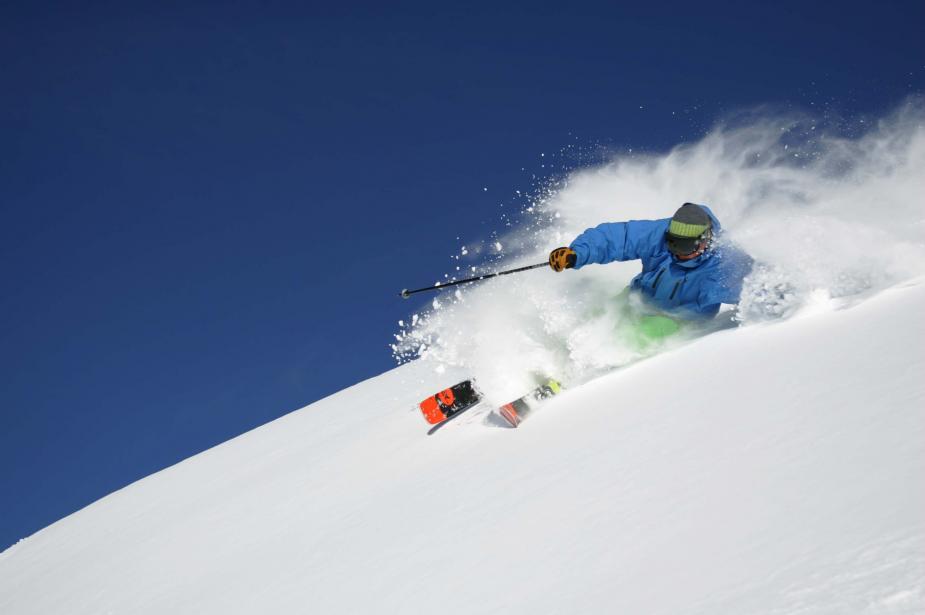 |
All-Mountain Freeride |
It used to be that the hike, or walk, mode (which is one of the defining features of the All-Mountain Freeride category) pigeon-holed a boot into a less-powerful-skiing sub-class. That isn't the case anymore with the best boots in this large group as current light weight but stiff plastics and solid metal-to-metal cuff connections create serious descenders, and all are tech-compatible. Skiers of all shapes and sizes can now find a boot that will suit their foot width as well as their uphill and downhill performance needs—narrows, mediums and wides in a broad range of stiffnesses are available in this category. |
 |
Backcountry |
While the Backcountry category is all about going uphill—they're the lightest of our test with the best touring range of motion and rockered, lugged soles—modern Backcountry boots ski well enough to handle themselves in-bounds if that's where the day takes them occasionally. Shell and cuff construction in this category is commonly comprised of polyamide plastics, like Grilamid and Pebax, so in combination with lightweight, fully thermo-moldable EVA foam liners (or the like) Backcountry boots are very light on the foot. |