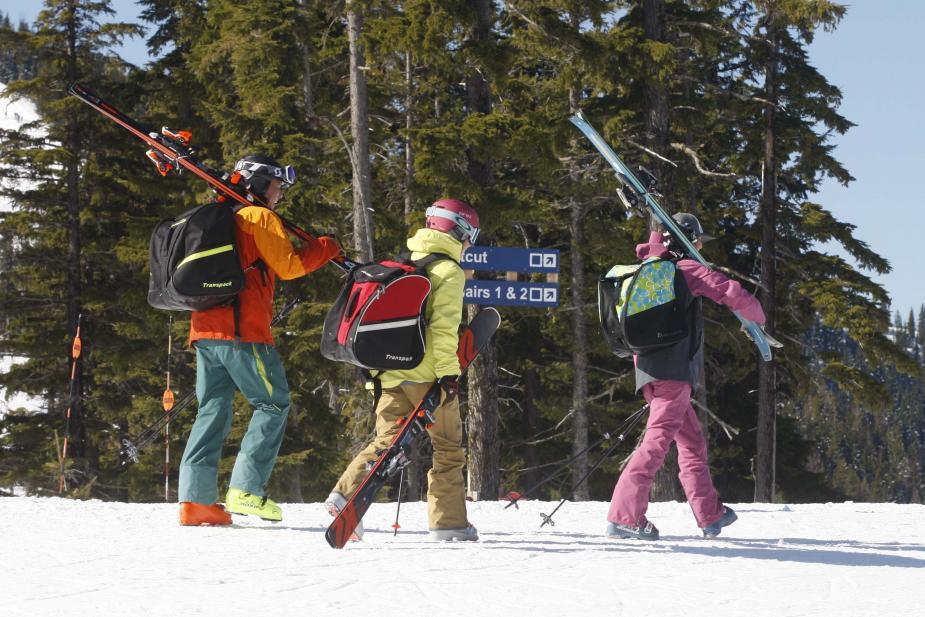
All-Mountain Access

For many skiers the boot itself still represents one of the biggest barriers to fully enjoying our snow-sliding sport. It used to be a matter of comfort that stood in the way of some folks’ love of skiing, but boot designs have made huge comfort gains through better mold shapes and more sophisticated liners. Same goes for complaints of cold boots—insulative laminates, wicking liner materials, improved sock technology and electric heater options have largely addressed these chilly concerns. And worries about walking across a massive parking lot? Well, with releasable-cuff walk modes and rockered GripWalk soles ski boots have never been easier to walk in.

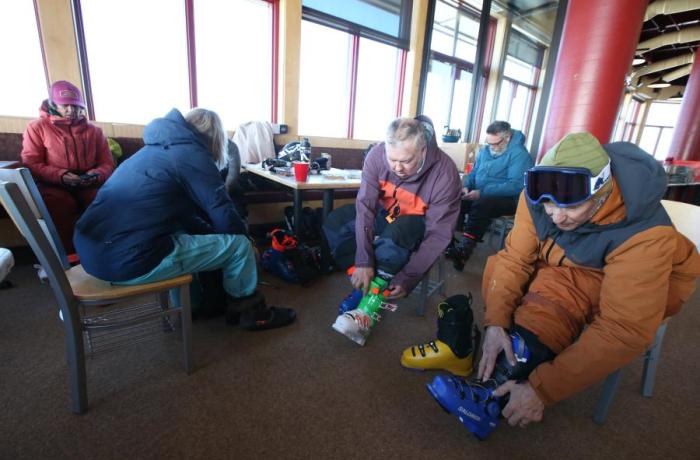
Boots that are difficult to get on (and off) now remain the sport’s biggest stumbling block for skiers, veteran or rookie alike. While we think boots are as easy to put on as they’ve ever been, there are still skiers who struggle, whether due to physical inflexibility, reduced hand-strength or other injury- or health-related complications. There are boots that make ease of entry a primary design feature. Some of these are re-purposed rear-entry designs from the 80’s that have been reconfigured with modern materials and finishes. Other models might focus on the releasable cuff of the walk-mode style boot to enhance entry—a rearwardly releasable cuff generally aids entry as the “corner” between upper and lower boot is more straightened-out. The combination of an open-topped cabrio design with a spiral-wrapping liner can also help those with entry and exit challenges.

The All-Mountain Access category is open to models that offer some enhanced fit element or design feature that reduces a skier’s barrier to entry and enjoyment of skiing. Our testers understand that sometimes gains in these criteria may result in sacrifices in other, higher-performance test metrics. Our testing process rewards boots that deliver for their intended audience for fit, features and performance, so a Gold Medal boot in the All-Mountain Access category might not ski as strongly at high speeds as, say, those found in the Frontside category.
A Post-Covid Ski Season! We Hope….

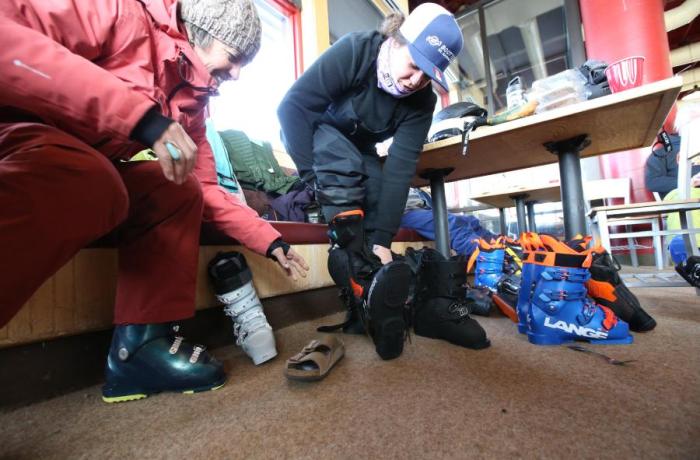
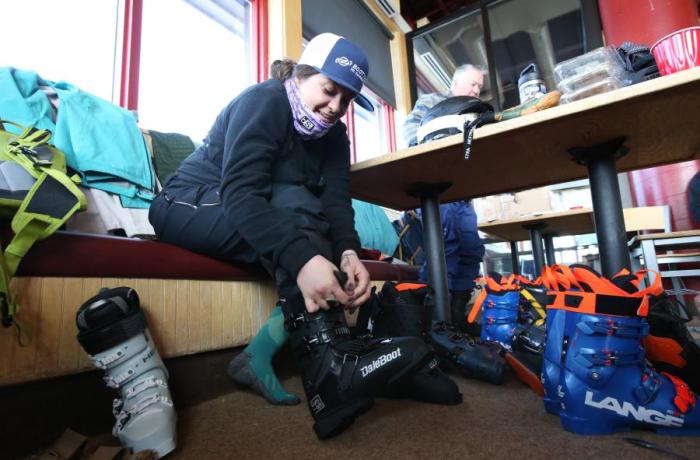
What we learned last year is that skiing sure is fun! Nothing like a pandemic-driven lockdown of society to make you re-appreciate sliding down a snow-covered hill, huh? Okay, so everybody else had the same idea and the mountain commutes and lift lines got a little crazy, and masks over noses and goggle fogging is a thing, yeah we know. But what we really learned was that long lift lines and fewer warm-up options are a heck of a lot more fun when your boots are warm and comfy! An ABB bootfitter near you can help with that...

Best Backcountry Boots of 2021-2022

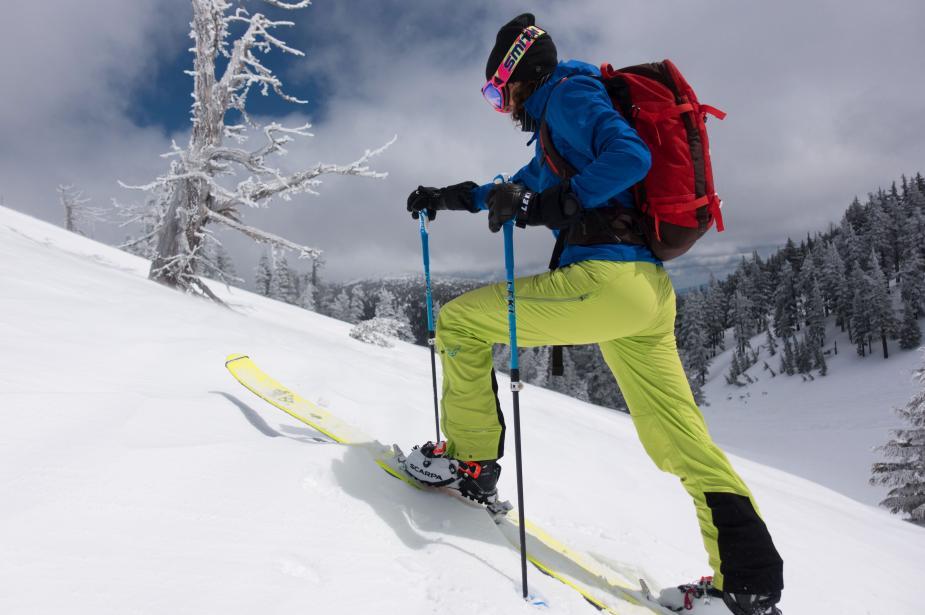
While the true Backcountry boot is an out-of-bounds animal—built for ascending with light weight, maximum touring range of motion, tech binding compatibility and a fully rockered and aggressively lugged outsole for walking and scrambling as needed—we favor Backcountry boots that trend toward a solid, dependable descent, regardless of snow conditions. This season we got a small batch of boots in the skin track in the Pacific Northwest and found a few that toured with the best but skied stronger than the rest.

The Most Comfortable, Warmest, Easiest-On Ski Boots of 2021-2022

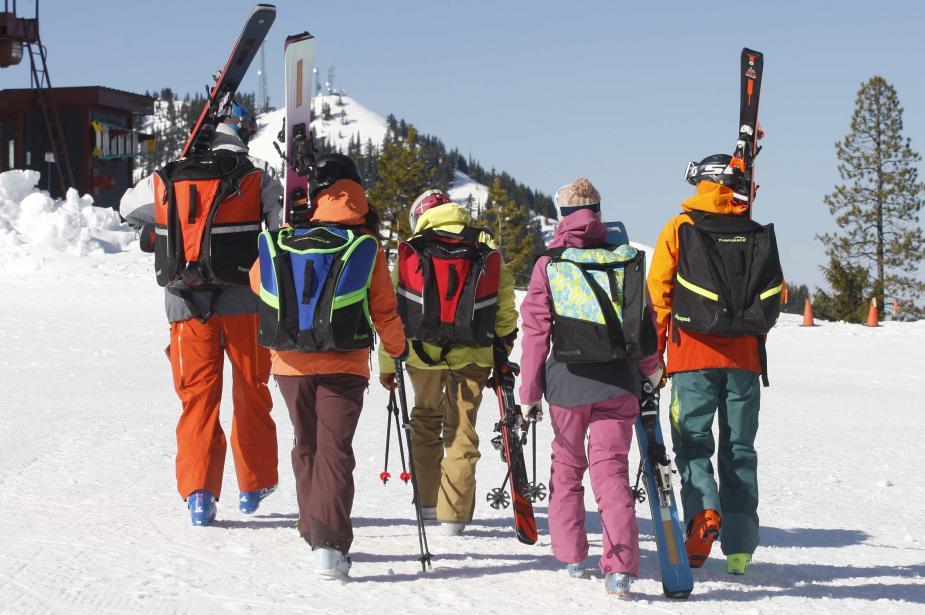
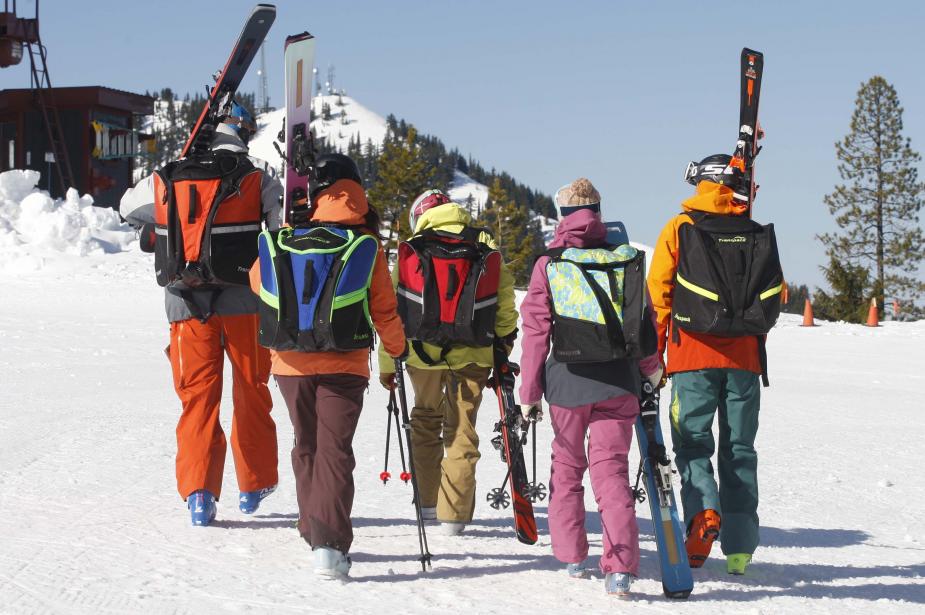
Softer flexing, wider boots are always a little easier to get on but add a walk mode releasable cuff and the slide in and out is sublime! Our testers like testing the All-Mountain Walk boot category a little later in the day, after the legs are starting to complain and apres ski cocktail hour is imminent because one, these boots practically ski for you, and two, popping that apres mode switch at the end of the day makes strolling the deck mighty nice. This is not to say that these aren't skilled all-mountain performers...they are! The boots in the All-Mountain Walk category just don't offer up tech fittings and full-thermo EVA liners--these are about fun and comfort, in-bounds.

The Best Frontside Ski Boots of 2021-2022

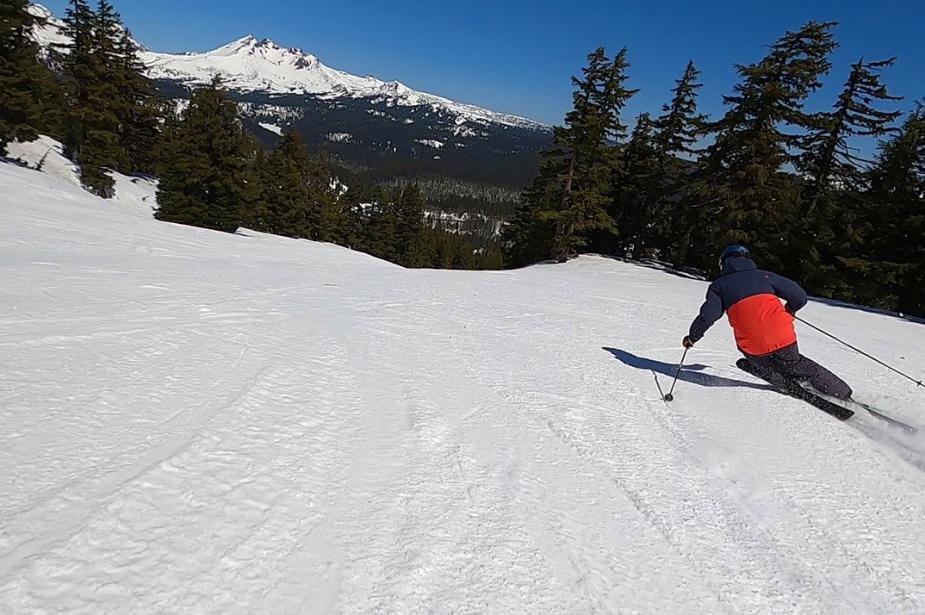
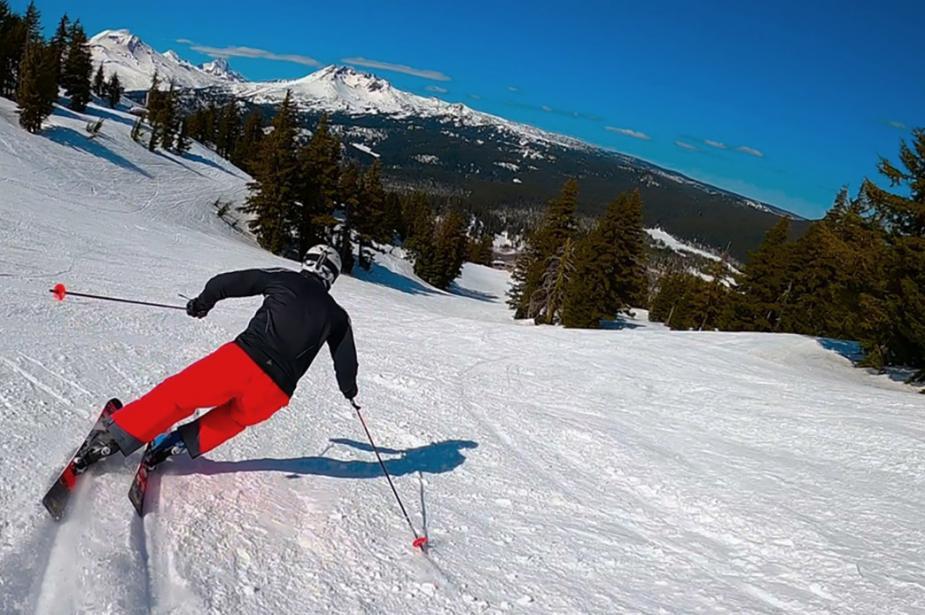
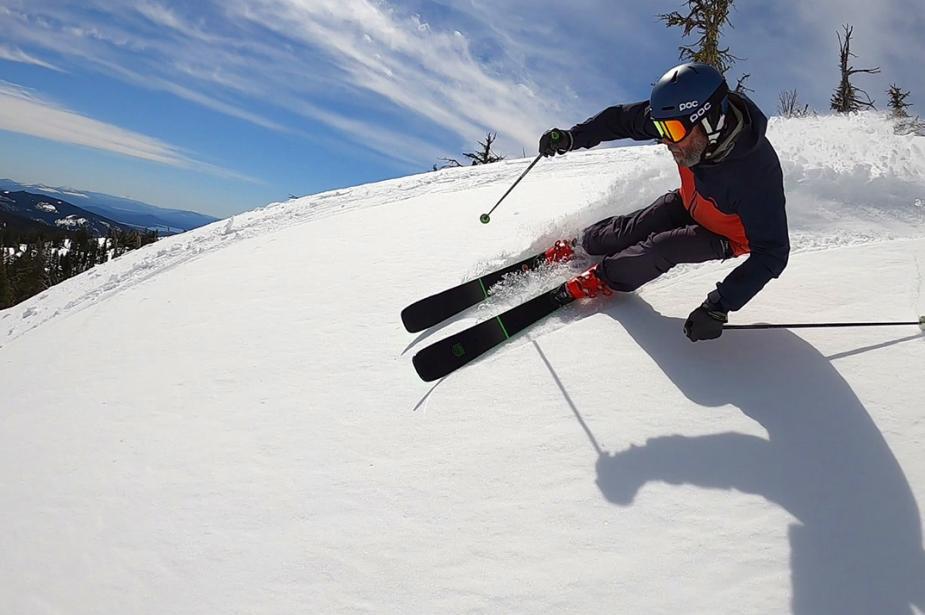
Our test team busts out the well-tuned carvers when we test Frontside Boots and we try to test in the morning on fresh groomed snow. In late March and April it's not uncommon to find melt-freeze boiler plate for the first runs of the day, and that's the perfect time to feel just how transmissive the Frontside category is. With typically solid sole, overlap construction, Frontsiders aren't World Cup race (plug) boots, but they're certainly race-bred enough for most all-mountain skiers who think they might jump in a course once in a while. Rigid bootboards and firm liners give these boots a reactive, strong feel on the hardest snows, and the best of the category make your sharp edges feel laser-honed.

Best Freeride Ski Boots of 2021-2022

As a type of ski boot, the modern Freeride boot attempts to combine the downhill performance of an All-Mountain boot with the lighter weight and touring range of motion of the Backcountry boot. While this was rarely achieved a few years ago, the current crop of Freeride boots we've tested do everything the on-area, off-area adventure skier wants, without many compromises. Most of the boots in the Freeride group are utilizing GripWalk soles to enhance the boots' walkability and most also incorporate metal-to-metal cuff release mechanisms to maximize energy transmission during descents. Pin-style (aka "Low Tech," or just "Tech") binding compatibility is standard across this category, though the Freeride boot can be used in a traditional Alpine binding, so long as it's GripWalk compatible.

Gold